Tag: Strategic intelligence

  • La due diligence che non ha visto ciò che contava: quando un’acquisizione diventa contenzioso

    La due diligence che non ha visto ciò che contava: quando un’acquisizione diventa contenzioso

    Introduzione

    Lo studio legale viene incaricato di assistere un imprenditore nell’acquisizione del 100% delle quote di una società operante nel settore della logistica integrata. L’operazione ha un valore di circa 12 milioni di euro. I bilanci sono certificati. Non risultano contenziosi pendenti dai registri pubblici. Il management appare solido e collaborativo. L’urgenza dell’operazione è giustificata dalla necessità di espansione territoriale.

    La due diligence legale e fiscale viene svolta secondo prassi: verifica documentale, analisi dei contratti principali, controllo delle pendenze tributarie formalmente iscritte, esame dei libri sociali.

    Nulla, formalmente, impedisce il closing.

    Eppure, nove mesi dopo, emergono tre criticità decisive: un accertamento tributario già in fase istruttoria non ancora notificato; clausole risolutive nei contratti con fornitori strategici; una struttura di fatturazione infragruppo che aveva sostenuto artificialmente i margini.

    L’operazione si trasforma in un contenzioso plurimo: azione di responsabilità, richiesta di risoluzione per dolo omissivo, valutazione di profili penali.

    Il punto centrale non è la mancanza di verifica. È la mancanza di integrazione strategica.

    Il ruolo e le aspettative


    Il contenuto che hai scelto è riservato.


  • Cos’è davvero l’intelligence (e cosa non è)

    Cos’è davvero l’intelligence (e cosa non è)

    Introduzione

    Viviamo immersi in un flusso continuo di dati, notizie, report, numeri, opinioni. Mai come oggi le informazioni sono state così abbondanti. Eppure, mai come oggi, le decisioni vengono prese con una sensazione diffusa di incertezza, esposizione e rischio. Questo paradosso è il punto di partenza per comprendere cosa sia davvero l’intelligence.

    L’errore più comune consiste nel credere che più informazioni significhino automaticamente decisioni migliori. Non è così. L’accumulo informativo, se non è guidato da un metodo, produce confusione, rumore, sovraccarico cognitivo. L’intelligence nasce proprio per risolvere questo problema: non per raccogliere tutto, ma per capire cosa conta davvero.

    L’intelligence non è una tecnologia, non è un software, non è una funzione investigativa. È un processo cognitivo strutturato che trasforma dati grezzi in supporto concreto alla decisione. Serve quando il contesto è incerto, quando gli interessi sono contrapposti, quando le conseguenze di una scelta sono rilevanti e spesso irreversibili.

    Questo primo articolo ha un obiettivo preciso: fare chiarezza. Chiarire cosa rientra legittimamente nel concetto di intelligence e cosa invece ne è una distorsione narrativa. Senza questa distinzione iniziale, ogni discorso successivo rischia di poggiare su fondamenta fragili.

    Cos’è l’intelligence: una definizione operativa

    L’intelligence è un processo strutturato finalizzato a ridurre l’incertezza decisionale. Non elimina il rischio, ma lo rende leggibile, valutabile, gestibile. Il suo scopo non è dire cosa accadrà, ma aumentare la probabilità di prendere decisioni coerenti con la realtà del contesto.

    In termini operativi, l’intelligence:

    • parte sempre da una domanda decisionale;
    • seleziona informazioni pertinenti, non tutte;
    • analizza il contesto, non solo i dati;
    • distingue fatti, ipotesi e interpretazioni;
    • produce un output orientato all’azione.

    L’elemento centrale non è l’informazione, ma la decisione. Tutto ciò che non contribuisce a migliorarla è rumore.

    Cosa l’intelligence non è (e perché questa confusione è pericolosa)

    Molti errori nascono da equivoci concettuali. L’intelligence non è:

    • investigazione giudiziaria;
    • raccolta indiscriminata di dati;
    • attività tecnologica o informatica;
    • previsione certa del futuro;
    • manipolazione occulta.

    Confondere l’intelligence con queste attività porta a due conseguenze gravi. La prima è delegarla a strumenti inadeguati. La seconda è aspettarsi risultati impossibili, come certezze assolute o soluzioni automatiche. L’intelligence lavora sull’incertezza, non contro di essa.

    Perché l’intelligence è una disciplina cognitiva

    L’intelligence opera nella mente di chi decide. Per questo è profondamente legata alla psicologia del decisore. Bias cognitivi, emozioni, pressioni esterne, urgenze artificiali: tutto questo influenza l’analisi molto più dei dati disponibili.

    Senza un metodo di intelligence, il decisore tende a:

    • cercare solo conferme alle proprie convinzioni;
    • sottovalutare segnali deboli;
    • sovrastimare le proprie capacità di giudizio;
    • reagire invece di scegliere.

    L’intelligence introduce distanza, struttura, lucidità. Non sostituisce l’esperienza, ma la disciplina.

    Quando serve davvero l’intelligence

    L’intelligence diventa necessaria quando:

    • le informazioni sono incomplete o ambigue;
    • gli interessi in gioco sono elevati;
    • il contesto è competitivo o conflittuale;
    • le decisioni hanno effetti a lungo termine;
    • l’errore ha un costo significativo.

    In tutti questi casi, decidere “a intuito” non è coraggio: è esposizione inutile.

    Conclusione

    Capire cos’è l’intelligence significa cambiare prospettiva sul processo decisionale. Non si tratta di sapere di più, ma di capire meglio. Non di accumulare informazioni, ma di orientare l’azione. L’intelligence non promette certezze, ma offre qualcosa di più prezioso: lucidità.

    Questo primo passo è fondamentale perché mette ordine concettuale. Senza una definizione chiara, l’intelligence rischia di diventare una parola vuota, buona per tutto e utile a nulla. Con una definizione rigorosa, invece, diventa una competenza strategica.

    Nei prossimi articoli entreremo nel metodo: come si costruisce una domanda di intelligence, come si analizza senza farsi ingannare, come si trasforma l’analisi in vantaggio concreto. Ma tutto parte da qui: dal comprendere che l’intelligence non è un accessorio, bensì una forma avanzata di responsabilità decisionale.

  • Dall’informazione alla decisione: perché intelligence e analisi dei dati determinano il successo delle collaborazioni tra imprese

    Dall’informazione alla decisione: perché intelligence e analisi dei dati determinano il successo delle collaborazioni tra imprese

    Introduzione

    Nel linguaggio aziendale si parla spesso di “accordi”, “partnership” e “collaborazioni strategiche”. Nella pratica, molti di questi rapporti si rivelano fragili, conflittuali o destinati a dissolversi rapidamente. Non perché il contratto sia scritto male, ma perché è stato pensato senza una reale comprensione del contesto informativo.

    Un contratto è sempre la formalizzazione di una decisione. E ogni decisione, se presa su informazioni parziali, distorte o non verificate, incorpora un rischio strutturale. È qui che entrano in gioco la raccolta informativa, la strategic intelligence e l’analisi dei dati: non come strumenti tecnici accessori, ma come fondamento cognitivo della decisione contrattuale.

    Raccolta informativa: sapere prima di firmare

    La raccolta informativa non coincide con la semplice ricerca di dati pubblici. È un processo intenzionale e orientato allo scopo decisionale.

    Nel contesto delle collaborazioni tra aziende, significa rispondere a domande precise:

    • Chi è realmente il potenziale partner, oltre la sua narrazione ufficiale?
    • Qual è la sua storia decisionale, finanziaria e relazionale?
    • Quali vincoli, pressioni o interessi non dichiarati lo influenzano?

    Senza questa fase, il contratto nasce già su un terreno instabile. Le clausole diventano difese tardive contro problemi che potevano essere anticipati. La raccolta informativa, invece, consente di prevenire il conflitto, non di gestirlo dopo.

    Strategic intelligence: comprendere il contesto, non solo l’azienda

    La strategic intelligence va oltre il singolo soggetto. Analizza l’ecosistema in cui l’accordo si inserisce.

    Questo include:

    • assetti di potere nel settore,
    • relazioni pregresse tra attori,
    • dinamiche competitive e conflittuali,
    • segnali deboli che indicano evoluzioni future.

    Un contratto non vive nel vuoto. Vive in un sistema di relazioni. L’intelligence strategica permette di valutare se una collaborazione è coerente con le traiettorie di lungo periodo delle parti coinvolte o se, al contrario, contiene elementi di incompatibilità strutturale destinati a emergere nel tempo.

    Analisi dei dati: ridurre l’asimmetria informativa

    Ogni trattativa è caratterizzata da un’asimmetria informativa. Una parte sa sempre qualcosa che l’altra ignora.

    L’analisi dei dati consente di:

    • verificare la coerenza tra dichiarazioni e comportamenti,
    • individuare pattern ricorrenti (ritardi, contenziosi, rotture di accordi),
    • stimare rischi economici, operativi e reputazionali.

    Non si tratta di “prevedere il futuro”, ma di ridurre l’incertezza decisionale. Un contratto costruito su dati analizzati criticamente non elimina il rischio, ma lo rende conosciuto, misurabile e gestibile.

    Dal contratto difensivo al contratto strategico

    Quando manca l’intelligence, il contratto diventa uno strumento difensivo: clausole, penali, garanzie inserite per paura.

    Quando l’intelligence è presente, il contratto cambia natura:

    • diventa uno strumento di allineamento degli interessi,
    • riflette una comprensione realistica delle parti,
    • integra meccanismi adattivi, non solo sanzionatori.

    In questo senso, l’intelligence non sostituisce il diritto, ma lo rafforza, fornendo al giurista e al decisore un quadro informativo che rende il contratto coerente con la realtà e non solo con l’astrazione normativa.

    Conclusione

    Le collaborazioni aziendali non falliscono perché “le persone sono inaffidabili”, ma perché le decisioni vengono prese su basi informative insufficienti. Raccolta informativa, strategic intelligence e analisi dei dati non sono optional per grandi gruppi, ma strumenti essenziali per qualsiasi impresa che voglia stipulare accordi solidi e sostenibili.

    Integrare l’intelligence nel processo decisionale significa spostare il baricentro dal problema giuridico al problema cognitivo: decidere meglio prima, per non difendersi peggio dopo.

  • OSINT: quando le informazioni pubbliche diventano un’arma contro lo studio legale

    OSINT: quando le informazioni pubbliche diventano un’arma contro lo studio legale

    Introduzione

    Nel mondo legale si parla spesso di riservatezza come se fosse una barriera: NDA, segreto professionale, policy interne, compliance. Tutto corretto, ma non sufficiente. Perché OSINT non nasce per “rubare” ciò che è segreto: nasce per estrarre valore da ciò che è già visibile.

    La definizione più utile, per taglio operativo, è quella che descrive OSINT come pratica di raccolta e analisi di informazioni provenienti da fonti aperte per produrre intelligence azionabile.  In parallelo, molte impostazioni dottrinali evidenziano che la differenza non è la fonte (aperta), ma il processo: selezione, discriminazione, distillazione e distribuzione rispetto a una domanda specifica. 

    Per uno studio legale questo significa una cosa semplice e scomoda: la vulnerabilità informativa non dipende solo da ciò che proteggi, ma da ciò che lasci intendere. Il sito dello studio, i profili professionali, i convegni, le pubblicazioni, le foto “neutre”, le relazioni visibili, persino la geografia degli spostamenti e delle abitudini digitali possono essere correlati in una mappa utile a prevedere decisioni, strategie e punti di pressione.

    E non serve un attacco tecnico. Le tecniche di social engineering sfruttano proprio questo: ricostruire contesto, ruoli e leve psicologiche per indurre errori o concessioni. 

    Questo articolo ha un obiettivo preciso: far comprendere agli studi legali che l’OSINT è un pericolo “legale” solo in apparenza; in realtà è un pericolo strategico. E mostrarti come un’attività di Strategic Intelligence, se impostata con metodo, consente di neutralizzarlo con tre mosse: riduzione della leggibilità esterna, controllo della narrazione, e prevenzione delle inferenze.

    L’errore che apre la porta: “se è pubblico, non è pericoloso”

    L’OSINT funziona perché sfrutta una distorsione comune: si tende a considerare innocuo ciò che è pubblico. È un automatismo mentale. Eppure, nella pratica, la pericolosità non sta nel singolo dato, ma nella combinazione dei dati.

    Una singola informazione può essere irrilevante. Dieci informazioni coerenti diventano un profilo. Cinquanta diventano una previsione. A quel punto il tema non è più “privacy”: è asimmetria informativa. E quando una controparte riesce a ridurre l’incertezza sulle tue mosse, la trattativa cambia natura: non è più una negoziazione, diventa una pressione.

    Per uno studio legale, la superficie OSINT è vasta e spesso non governata. Include:

    • presenze online (sito, blog, comunicati, newsletter);
    • posizionamento professionale (ambiti, claim, casi raccontati);
    • ecosistema relazionale (collaborazioni, partnership, eventi, tag e foto);
    • segnali organizzativi (dimensione team, turn-over, sedi, ritmi);
    • segnali personali dei professionisti chiave (stili comunicativi, preferenze, routine).

    Il punto critico: lo studio pubblica per legittimarsi. Ma ogni contenuto che legittima può anche descrivere. E ogni descrizione è un appiglio.

    Come l’OSINT viene usata contro uno studio legale (senza “fare nulla di illegale”)

    Qui conviene essere chirurgici: l’OSINT contro uno studio legale raramente si presenta come “attacco”. Si presenta come attività preparatoria che abilita mosse successive.

    Scenario A — Anticipazione della strategia

    Analizzando pubblicazioni, interventi e stile argomentativo dei partner, è possibile stimare:

    • la propensione a transare o a resistere;
    • i punti su cui lo studio tende a irrigidirsi;
    • le aree dove preferisce evitare esposizione.

    Non serve conoscere il fascicolo: basta conoscere la “firma” decisionale.

    Scenario B — Pressione reputazionale

    Se un soggetto riesce a ricostruire connessioni tra studio, clienti, consulenti e contesti, può generare pressione indiretta: insinuazioni, articoli, segnalazioni, rumor mirati. L’OSINT, in questo senso, non produce il danno: produce la traiettoria del danno.

    Scenario C — Social engineering mirato

    Il social engineering sfrutta informazioni pubbliche per aumentare credibilità e probabilità di successo: ruoli, gerarchie, lessico interno, abitudini. È un punto richiamato anche nella didattica istituzionale sulla manipolazione psicologica in ambito cyber. 

    Per gli studi legali, l’esito tipico non è “il grande furto”: è l’errore piccolo ma irreversibile (invio al destinatario sbagliato, apertura allegato, rilascio informazione di contesto).

    Scenario D — Ricostruzione della vulnerabilità negoziale

    L’informazione più utile, in molte trattative, non è “la verità”: è capire dove fai fatica a dire di no. L’OSINT aiuta a stimare vincoli, tempi, urgenze, e quindi il prezzo psicologico della resistenza.

    Perché la compliance non basta: OSINT è un problema di “intelligence”, non di “regole”

    La compliance protegge il trattamento dei dati. Ma OSINT lavora spesso su dati:

    • leciti,
    • già pubblicati,
    • e soprattutto replicati.

    In ambito cyber e risk management, la minaccia viene trattata anche come necessità di monitorare feed di threat intelligence che includono fonti aperte (OSINT) dentro programmi strutturati. 

    Tradotto per lo studio legale: serve una funzione che non sia “marketing” e non sia “IT”, ma che ragioni in termini di profilo informativo, esposizione, segnali e inferenze.

    La domanda corretta non è: “abbiamo pubblicato dati sensibili?”

    La domanda corretta è: “cosa può dedurre un osservatore competente partendo da ciò che abbiamo pubblicato?”

    La Strategic Intelligence come contromisura: neutralizzare, non inseguire

    Neutralizzare OSINT non significa sparire. Significa governare tre livelli:

    (1) Superficie — cosa è visibile

    Audit OSINT dello studio: siti, profili, registri, media, eventi, ecosistemi relazionali, metadati dove presenti.

    (2) Correlazione — cosa diventa visibile quando metti insieme i pezzi

    Qui si lavora per “rompere” le catene più informative: ridurre ridondanze, evitare pattern ripetibili, minimizzare segnali inutili.

    (3) Inferenza — cosa si può dedurre e usare come leva

    È il livello più delicato: riguarda lo stile decisionale, i vincoli, le urgenze, le persone chiave e le loro abitudini comunicative.

    NATO, in vari documenti pubblici legati a capability OSINT, insiste su un punto: la capacità non è solo “tool”, ma combinazione di persone, processi e strumenti. 

    Per lo studio legale è identico: senza processo e responsabilità chiare, qualunque intervento resta cosmetico.

    Misure concrete (senza trasformare lo studio in un bunker)

    Qui il taglio deve restare realistico: uno studio legale deve comunicare per esistere. Quindi l’obiettivo non è il silenzio, ma la sobrietà informativa.

    Misure tipiche di una regia intelligence-oriented:

    • Linee editoriali che evitano dettagli inutili (tempi, ruoli, clienti, “dietro le quinte”).
    • Gestione degli eventi: cosa si dichiara prima, durante, dopo; cosa si fotografa; cosa si tagga.
    • Profilo professionale coerente: evitare “over-disclosure” emotivo o biografico.
    • Disciplina relazionale: ridurre la mappabilità automatica di network e partnership.
    • Formazione anti–social engineering mirata per ruoli ad alta esposizione (segreteria, paralegal, praticanti, IT, partner).

    Il criterio è uno: pubblicare solo ciò che aumenta autorevolezza senza aumentare prevedibilità.

    Il punto decisivo: trasformare l’OSINT da minaccia a vantaggio difensivo

    La mossa più intelligente non è solo difendersi: è usare la stessa logica per proteggere decisioni.

    Uno studio che possiede una funzione di Strategic Intelligence:

    • anticipa campagne reputazionali e segnali deboli,
    • legge meglio le controparti (stili, pressioni, vincoli),
    • riduce l’effetto sorpresa,
    • negozia con maggiore freddezza.

    OSINT, in sé, non è “buona” o “cattiva”. È una capacità.

    Il pericolo nasce quando è asimmetrica: quando la controparte la usa e tu neppure consideri di essere leggibile.
  • Il vantaggio che non si vede: come l’intelligence cambia l’esito di una scelta prima ancora che venga presa

    Il vantaggio che non si vede: come l’intelligence cambia l’esito di una scelta prima ancora che venga presa

    Introduzione

    Nel linguaggio comune, il vantaggio viene associato all’azione: una mossa brillante, una decisione rapida, una scelta coraggiosa al momento giusto. In realtà, nei contesti complessi, il vantaggio più solido è quello che non si vede. Non coincide con l’atto finale del decidere, ma con tutto ciò che lo precede.

    Quando una decisione appare “naturale”, fluida, priva di attrito, spesso non è frutto di intuizione o fortuna. È il risultato di un lavoro silenzioso che ha modificato il contesto decisionale: ha chiarito le opzioni reali, ha ridimensionato i rischi percepiti, ha reso irrilevanti alcune alternative e centrali altre. Questo lavoro è il cuore dell’intelligence applicata alle decisioni.

    L’errore più frequente è pensare all’intelligence come a un’attività informativa: raccolta di dati, report, analisi. In realtà, il suo impatto più rilevante non riguarda ciò che si sa, ma come ciò che si sa viene organizzato mentalmente prima della scelta. L’intelligence efficace non dice al decisore “cosa fare”, ma cambia il modo in cui il decisore vede ciò che è possibile fare.

    In questo senso, l’intelligence opera prima della decisione, spesso prima ancora che il decisore percepisca di essere di fronte a una scelta. Riduce l’incertezza non eliminandola, ma rendendola maneggiabile. Sposta il focus dalle alternative apparenti a quelle realmente praticabili.

    Comprendere questo processo significa spostare l’attenzione dall’atto decisionale al suo terreno di preparazione. Ed è proprio lì, in quello spazio invisibile, che si costruisce il vantaggio competitivo più difficile da replicare.

    Prima della scelta: quando il contesto decide al posto tuo

    Ogni decisione nasce dentro un contesto, ma raramente il decisore ne è pienamente consapevole. Il contesto non è neutro: orienta, suggerisce, limita. Definisce ciò che appare possibile e ciò che non viene nemmeno considerato.

    L’intelligence agisce esattamente su questo livello. Non interviene sulla decisione finale, ma sul perimetro entro cui la decisione prende forma. Quando questo perimetro è ben costruito, alcune scelte diventano impraticabili senza bisogno di scartarle esplicitamente. Altre emergono come opzioni dominanti senza richiedere sforzi argomentativi.

    Questo è il motivo per cui, a posteriori, molte decisioni vincenti vengono raccontate come “ovvie”. In realtà, lo diventano solo dopo che il contesto è stato lavorato. Senza questo lavoro preliminare, la stessa scelta apparirebbe rischiosa, azzardata o addirittura irrazionale.

    La differenza non sta nel coraggio del decisore, ma nella qualità della preparazione invisibile. L’intelligence riduce l’attrito cognitivo: meno alternative rumorose, meno falsi dilemmi, meno urgenze artificiali. Il risultato è una decisione che sembra semplice perché è stata resa semplice.

    Il vantaggio invisibile: ridurre le opzioni senza imporre la scelta

    Uno degli effetti più potenti dell’intelligence è la riduzione silenziosa delle opzioni. Nei contesti complessi, l’eccesso di alternative è uno dei principali fattori di errore. Troppe possibilità generano paralisi, difesa, procrastinazione o scelte impulsive.

    L’intelligence non elimina le opzioni in modo autoritario. Le svuota di significato. Attraverso l’analisi delle variabili nascoste, dei vincoli reali e delle conseguenze indirette, alcune alternative perdono peso decisionale. Restano teoricamente possibili, ma psicologicamente deboli.

    Questo processo è fondamentale perché preserva l’autonomia del decisore. Non c’è imposizione, non c’è prescrizione. C’è una ristrutturazione del campo percettivo. Il decisore sente di scegliere liberamente, ma lo fa all’interno di uno spazio già ottimizzato.

    È qui che il vantaggio diventa invisibile. Chi osserva dall’esterno vede solo la decisione finale. Non vede il lavoro che ha reso quella decisione la più sensata tra tutte. E proprio perché non si vede, questo vantaggio è difficilmente imitabile.

    Quando la decisione è già vinta prima di essere presa

    Nei casi più efficaci, l’intelligence produce un effetto controintuitivo: la decisione sembra perdere importanza. Non perché sia irrilevante, ma perché l’esito è stato in larga parte determinato prima.

    Questo accade quando il contesto è stato letto correttamente, le dinamiche anticipate, le reazioni previste. In queste condizioni, la decisione non è più un salto nel vuoto, ma l’ultimo passaggio di un percorso già tracciato.

    Molti fallimenti nascono dall’illusione opposta: concentrarsi ossessivamente sulla decisione finale, trascurando tutto ciò che la precede. È come cercare di vincere una partita solo con l’ultima mossa, ignorando l’apertura e il medio gioco.

    L’intelligence riporta l’attenzione dove serve davvero: prima. Quando questo avviene, il decisore non appare più brillante o audace. Appare semplicemente lucido. E spesso, proprio per questo, arriva primo.

    Conclusione

    Il vantaggio più solido è quello che non si vede. Non fa rumore, non chiede riconoscimento, non si manifesta come gesto eroico. Si costruisce nel silenzio dell’analisi, nella pazienza della preparazione, nella capacità di leggere ciò che gli altri ignorano.

    L’intelligence, applicata alle decisioni, non è uno strumento spettacolare. È uno strumento trasformativo. Cambia il modo in cui le scelte emergono, non solo il modo in cui vengono giustificate. Sposta il potere decisionale dal momento dell’urgenza a quello della comprensione.

    Per il professionista, questo significa ridurre drasticamente il rischio di errori “inspiegabili”. Per l’organizzazione, significa ottenere risultati che sembrano naturali, ma che in realtà sono il frutto di una costruzione accurata. Per entrambi, significa smettere di affidarsi al caso o all’istinto nei momenti critici.

    Chi comprende questo meccanismo smette di chiedersi quale sia la decisione giusta e inizia a chiedersi se il contesto è stato preparato nel modo corretto. È una domanda più scomoda, ma infinitamente più efficace.

  • Quando l’esperienza non basta: perché i professionisti prendono decisioni sbagliate anche conoscendo il contesto

    Quando l’esperienza non basta: perché i professionisti prendono decisioni sbagliate anche conoscendo il contesto

    Introduzione

    Nel linguaggio comune, l’esperienza viene trattata come un vaccino contro l’errore. Più anni, più casi affrontati, più successi accumulati: tutto dovrebbe concorrere a rendere la decisione solida, quasi inevitabilmente corretta. La realtà, tuttavia, racconta un’altra storia. Le cronache giudiziarie, i fallimenti aziendali, le crisi strategiche mostrano con regolarità un paradosso inquietante: decisioni gravemente errate prese da professionisti altamente competenti, pienamente consapevoli del contesto in cui operano.

    Non si tratta di ignoranza, né di superficialità. Al contrario, l’errore emerge spesso proprio dove la conoscenza è più profonda. Questo articolo parte da una constatazione scomoda ma documentabile: l’esperienza, se non governata, può diventare un fattore di rischio. Non perché “invecchia”, ma perché modifica il modo in cui la realtà viene percepita, selezionata e interpretata sotto pressione.

    La psicologia della decisione mostra come, in condizioni di stress, urgenza o responsabilità elevata, il cervello esperto tenda ad affidarsi a scorciatoie consolidate. Queste scorciatoie funzionano nella routine, ma diventano pericolose quando il contesto cambia in modo sottile o quando le variabili critiche sono nascoste. È qui che l’errore prende forma: non come mancanza di dati, ma come eccesso di fiducia nel proprio modello interno.

    Comprendere questo meccanismo è cruciale per chi decide per professione. Non per rinunciare all’esperienza, ma per affiancarla a strumenti che ne compensino i limiti nei momenti decisivi. La strategic intelligence nasce esattamente in questo spazio: tra ciò che si sa e ciò che, sotto pressione, non si riesce più a vedere.

    L’esperienza come automatismo: quando il passato guida il presente

    L’esperienza costruisce schemi. Ogni professionista, nel tempo, sviluppa mappe mentali che consentono di riconoscere rapidamente situazioni già viste e di reagire con efficienza. Questo processo è adattivo e necessario. Il problema emerge quando lo schema prende il posto dell’analisi.

    Sotto pressione, il cervello riduce il campo percettivo e privilegia ciò che conferma le aspettative già consolidate. È un fenomeno ampiamente studiato: il confirmation bias non colpisce solo i neofiti, ma soprattutto chi “ha già visto tutto”. L’esperienza diventa così un filtro che seleziona i segnali familiari e scarta quelli dissonanti, anche quando questi ultimi sono decisivi.

    In ambito professionale, questo si traduce in frasi ricorrenti: “Questa situazione la conosco”, “È già successo”, “So come andrà a finire”. Sono segnali linguistici di una chiusura prematura dell’analisi. Il contesto viene letto attraverso il passato, non per quello che è realmente. Quando il contesto cambia forma senza cambiare faccia, l’esperto rischia di non accorgersene.

    La strategic intelligence interviene qui con una funzione precisa: rompere l’automatismo. Non aggiungendo informazioni, ma ristrutturando le domande. Costringendo il decisore a guardare ciò che non rientra nello schema abituale.

    Pressione, identità e paura di perdere status

    Un altro fattore critico è la pressione identitaria. Più un professionista è riconosciuto come “esperto”, più la decisione diventa una prova di coerenza con l’immagine costruita nel tempo. In questi casi, l’errore non nasce dall’ignoranza, ma dalla paura di smentire se stessi.

    Ammettere un dubbio, rivedere una posizione, rallentare una decisione può essere vissuto come una minaccia allo status. Questo meccanismo è particolarmente evidente nei contesti ad alta visibilità: board aziendali, studi legali strutturati, ruoli apicali. La pressione non è solo esterna, ma interna: “Non posso sbagliarmi ora”.

    La psicologia mostra che, in queste condizioni, aumenta la rigidità cognitiva. Il decisore difende la prima ipotesi formulata, anche di fronte a segnali contrari, perché modificarla implicherebbe un costo simbolico troppo elevato. L’errore diventa quindi una strategia di difesa dell’identità, non un incidente.

    Un supporto di strategic intelligence consente di esternalizzare il dubbio. Non è il professionista che “cambia idea”, ma il processo decisionale che viene arricchito da una lettura indipendente. Questo abbassa il costo identitario della revisione e rende possibile correggere la rotta in tempo.

    Conoscere il contesto non significa leggerlo correttamente

    Uno degli equivoci più diffusi è l’idea che conoscere il contesto equivalga a comprenderlo. In realtà, il contesto non è un dato oggettivo: è una costruzione percettiva. Due professionisti, con le stesse informazioni, possono leggere scenari completamente diversi.

    L’esperienza tende a stabilizzare questa costruzione. Si “sa” cosa è rilevante e cosa no. Ma nei momenti critici, il contesto cambia più velocemente delle categorie con cui lo interpretiamo. Informazioni marginali diventano centrali, segnali deboli anticipano rotture decisive.

    Qui emerge il limite strutturale dell’esperienza individuale: è sempre parziale, situata, storicamente determinata. La strategic intelligence introduce una lettura sistemica, che non si limita al contesto dichiarato ma esplora quello implicito: interessi non espressi, asimmetrie informative, vincoli nascosti, tempi reali.

    Non si tratta di “sapere di più”, ma di vedere diversamente. Ed è spesso questa diversa angolazione a fare la differenza tra una decisione che regge e una che, col senno di poi, appare inspiegabile.

    Conclusione

    L’errore del professionista esperto non è un’anomalia: è un rischio strutturale. Nasce dall’interazione tra esperienza, pressione e identità. Più si è competenti, più si è esposti a forme sofisticate di autoinganno decisionale. Negarlo significa aumentare la probabilità di subirlo.

    Questo articolo non invita a diffidare dell’esperienza, ma a smettere di idealizzarla. L’esperienza è una risorsa potente, ma non autosufficiente. Ha bisogno di essere contenuta, interrogata, talvolta contraddetta. Soprattutto quando la posta in gioco è alta e il tempo stringe.

    La strategic intelligence non sostituisce il decisore, né ne riduce l’autonomia. Al contrario, ne protegge la lucidità nei momenti in cui l’esperienza, da sola, non basta più. Agisce come un dispositivo di compensazione cognitiva, capace di intercettare i punti ciechi prima che diventino irreversibili.

    Chi decide per professione non ha bisogno di sentirsi dire che “ha sbagliato”. Ha bisogno di strumenti che rendano l’errore meno probabile. Riconoscere che anche l’esperienza ha limiti non è un segno di debolezza, ma il primo atto di una leadership realmente matura.

  • Difendersi dalla sorveglianza biometrica: perché oggi la vera protezione è strategica

    Difendersi dalla sorveglianza biometrica: perché oggi la vera protezione è strategica

    Introduzione

    Negli ultimi anni la sorveglianza biometrica ha superato la dimensione sperimentale per diventare una componente strutturale di molti ecosistemi tecnologici. Sistemi di riconoscimento facciale, analisi comportamentale, identificazione tramite impronta, voce, postura o pattern di movimento sono oggi integrati in infrastrutture civili, aziendali e istituzionali. Non si tratta più di “controllo” nel senso tradizionale, ma di osservazione continua, spesso automatizzata, spesso opaca per chi ne è oggetto.

    Il problema centrale non è soltanto la raccolta dei dati biometrici, ma la loro interpretazione strategica. I sistemi non si limitano a identificare: correlano, inferiscono, prevedono. Un comportamento atipico, una presenza ricorrente, una variazione nei pattern possono generare segnali che influenzano decisioni automatiche o umane. In ambito aziendale questo può tradursi in valutazioni di rischio, affidabilità, accesso a informazioni o opportunità. In ambito professionale, nella costruzione di profili reputazionali impliciti. In ambito personale, in una perdita progressiva di controllo sulla propria esposizione informativa.

    Difendersi dalla sorveglianza biometrica non significa adottare soluzioni folkloristiche o illusioni di anonimato totale. Significa, piuttosto, comprendere il campo di osservazione, sapere quali segnali vengono emessi, quali dati sono realmente significativi e come vengono letti. È qui che entra in gioco la Strategic Intelligence: non come strumento tecnico isolato, ma come metodo di analisi, riduzione del rischio e vantaggio decisionale.


    Il contenuto che hai scelto è riservato.


  • When certification becomes a weapon: how Strategic Intelligence could have reshaped the US–Canada aerospace dispute

    When certification becomes a weapon: how Strategic Intelligence could have reshaped the US–Canada aerospace dispute

    The real battleground: decisions, not safety

    Officially, certification is about safety.

    Strategically, in this case, it became a tool of economic and political leverage.

    A Strategic Intelligence consultant would have immediately identified:

    • the mismatch between stated safety concerns and underlying economic objectives;
    • the risk of regulatory weaponization;
    • cascading effects on leasing, insurance, and asset valuation.

    Without intelligence, actors reacted defensively.

    With intelligence, they could have acted proactively.


    Il contenuto che hai scelto è riservato.


  • When cases are not won in court: the invisible value of Strategic Intelligence for law firms

    When cases are not won in court: the invisible value of Strategic Intelligence for law firms

    Beyond technology: the structural limits of legal AI

    Reuters correctly notes that AI can:

    • process vast volumes of precedents,
    • detect decision patterns,
    • support outcome prediction,
    • accelerate case preparation.

    Yet AI does not determine strategic relevance—it identifies statistical recurrence.

    A Strategic Intelligence consultant would have addressed this limitation by shaping how, when, and why information is used.

    Strategic Intelligence in the pre-litigation phase

    One of the most underestimated areas in the Reuters analysis is the pre-litigation phase.

    Strategic Intelligence would allow a law firm to:

    • map the real interests of counterparties, beyond legal positions;
    • analyze judges’ or arbitrators’ decision-making patterns from a behavioral, not merely statistical, perspective;
    • identify leverage points before litigation even begins;
    • evaluate alternative scenarios using structured probabilistic reasoning.

    Result:

    👉 fewer unnecessary lawsuits and higher strategic selectivity.

    Decision support during proceedings

    Reuters highlights how AI increasingly assists judges and mediators.

    What remains implicit is that this reshapes the cognitive environment of decision-makers.

    A Strategic Intelligence consultant could:

    • anticipate how AI-mediated analysis influences judicial perception;
    • adapt legal arguments to decision-making logic, not only legal doctrine;
    • prevent overreliance on automated outputs;
    • frame arguments in cognitively effective ways.

    In short:

    👉 using AI as part of the cognitive battlefield, not merely a tool.

    Managing reputational and ethical risk

    The Reuters article also touches on risks related to:

    • source reliability,
    • transparency,
    • professional accountability.

    Strategic Intelligence would provide:

    • verification protocols for AI-generated insights;
    • decision-traceability frameworks;
    • safeguards against ethical and disciplinary exposure;
    • reputational risk assessments linked to automated decision-making.

    Key point:

    👉 a lost case can be recovered; lost credibility cannot.

    A real competitive advantage for law firms

    The core lesson from Reuters is clear:

    law firms that merely “use AI” do not gain lasting strategic advantage.

    Those integrating Strategic Intelligence expertise can:

    • convert data into decision superiority,
    • anticipate opposing strategies,
    • choose when litigation is truly advantageous,
    • improve outcomes without increasing legal exposure.

    Conclusion

    The Reuters article does not describe a distant future—it documents an ongoing transformation.

    The real differentiator is not possessing AI tools, but embedding them within a coherent strategic intelligence framework.

    In this context, Strategic Intelligence does not replace legal expertise; it amplifies it—

    allowing law firms to see earlier, decide better, and risk less.

    And in complex litigation, that invisible advantage often determines who truly wins.

  • From complexity to clarity: the strategic value of synthesis

    From complexity to clarity: the strategic value of synthesis

    Introduction

    Complexity fascinates. It generates reports, charts, models, presentations. But it rarely generates better decisions.

    Modern decision-makers are immersed in more information than they can process, yet they keep adding analysis as if the problem were scarcity rather than excess.

    My work begins when complexity becomes paralyzing. Intelligence here performs a critical function: transforming complexity into clarity without betraying reality. This is where strategic synthesis is born.

    Why More Analysis Does Not Mean More Understanding

    A common error in decision processes is confusing depth with accumulation. Each new analysis appears to add value but often obscures the overall picture.

    Intelligence tradition has always distinguished analysis from synthesis. Sherman Kent emphasized that the analyst’s task is not to display everything known, but to make relevant meaning intelligible for decision.

    A recurring frustration emerges: “I know many things, but I don’t know what to do.” This signals the absence of synthesis. Without it, decisions remain suspended.

    Synthesis as an Act of Responsibility

    Synthesizing is not reducing. It is choosing what matters and assuming responsibility for excluding the rest. For this reason, synthesis is a decisional act, not a neutral one.

    In my approach, strategic synthesis answers three key questions:

    What truly changes the decision?

    What can be ignored without damage?

    What must be monitored but not acted upon now?

    This often triggers retrospective anger: realizing that past confusion stemmed not from lack of data, but from unmanaged excess. From this anger arises curiosity: what would deciding with less—but better—look like?

    Chapter 3 – How I Build Decision Synthesis

    My practice does not produce slogans. It produces frames of meaning. The synthesis I construct does not erase complexity—it organizes it.

    Operationally, I work across four levels:

    1. Information hierarchy – guiding elements, supporting elements, distractions.
    2. Connecting dispersed elements – revealing patterns, not lists.
    3. Translation into decision implications – what it means now.
    4. Stress-testing – what happens if context shifts.

    When this synthesis is sound, decision-makers experience clarity without naivety. Not simplification, but orientation.

    The Invisible Benefit: Speed Without Rush

    Good synthesis accelerates decisions without making them impulsive. It reduces time spent understanding and increases time spent choosing.

    Concrete benefits follow:

    – reduced decision paralysis,

    – greater coherence across choices,

    – clearer communication to stakeholders,

    – increased trust in the process.

    A composed form of joy emerges: the satisfaction of seeing clearly where opacity once ruled. Not dominance, but mastery.

    Conclusion

    Synthesis is not an intellectual luxury. It is a strategic necessity. My work restores a readable vision to decision-makers without impoverishing the reality they face.

    When complexity is synthesized correctly, decisions stop being burdens and become possible acts. And only when possible can a decision truly be good.

  • Accepting risk: why every mature decision is born from uncertainty

    Accepting risk: why every mature decision is born from uncertainty

    Introduction

    Every decision-maker eventually makes the same request: “I need a safe decision.”

    It is understandable—and misleading. Total safety is incompatible with real decision-making. Where certainty exists, there is no choice; where choice exists, risk follows.

    My work begins when this truth is accepted. Intelligence does not promise risk-free decisions. It offers the capacity to recognize, delimit, and consciously assume risk. This is where decisions mature.

    Denied Risk Is the Most Dangerous Risk

    In decision contexts, risk is often treated as an anomaly to be removed. More data is gathered, further analysis commissioned, additional opinions sought. Often, risk is not reduced—it is responsibility that is postponed.

    Intelligence thinking has always considered risk integral to decision-making. Sherman Kent clarified that analysis does not eliminate uncertainty—it defines its boundaries. Ignored risk does not disappear; it becomes invisible.

    A quiet anger emerges: realizing that many past decisions were fragile not because they were risky, but because risk was never named.

    The Difference Between Risk and Fear

    One of intelligence’s key contributions is separating risk from fear. Risk is strategic; fear is emotional. Confusing them leads to paralysis or defensive choices.

    In my approach, risk is treated as:

    partially quantifiable,

    linked to concrete consequences,

    acceptable or unacceptable by explicit criteria.

    This clarity often generates curiosity: “If risk is clear, why does it frighten me less?” Because fear thrives in vagueness, not definition.

    How I Work on Risk Acceptance

    I never ask decision-makers to “take risks.” I ask them to choose which risks to assume.

    Operationally, I work across three levels:

    1. Making real risks explicit – not imagined ones.
    2. Assessing consequences – what happens if risk materializes.
    3. Defining acceptance thresholds – what can be sustained.

    When these are clear, decisions change tone. They are no longer leaps into the void, but conscious steps. A sense of decision dignity emerges.

    The Hidden Benefit: Freedom to Decide

    Accepting risk liberates decision-makers—not by making them immune, but by freeing them from the illusion of total safety.

    Concrete benefits follow:

    – fewer strategic delays,

    – stronger alignment between values and choices,

    – greater decision stability,

    – ability to explain and defend decisions.

    A sober joy appears: freedom without self-deception. Not recklessness, but structured courage.

    Conclusion

    Every important decision carries risk. My work does not remove it; it makes it visible, measurable, and assumable.

    When risk is consciously accepted, decisions stop being emotional burdens and become adult acts. And only adult decisions truly endure over time.

  • Decision discipline: why deciding well is a practice, not a flash of genius

    Decision discipline: why deciding well is a practice, not a flash of genius

    Introduction

    Many decision-makers narrate success as intuition. Rarely do they describe failure as improvisation. Yet in daily practice, the absence of method is what makes decisions fragile and inconsistent.

    My work starts from a simple truth: deciding well once does not mean knowing how to decide. Intelligence does not create flashes of brilliance; it builds a discipline that makes quality repeatable.

    The Myth of Strategic Intuition

    Intuition has a role, but it cannot be the foundation of complex decision-making. It works in simple, repetitive, low-risk contexts. As complexity grows, intuition must be embedded in method.

    Intelligence tradition has long distrusted decision heroism. Sherman Kent emphasized that decision reliability depends on the solidity of the process, not the charisma of the decision-maker.

    This often generates frustration: realizing that “successful intuition” was not replicable. From this frustration arises interest in discipline.

    Discipline as a Stability Factor

    Decision discipline does not rigidify—it stabilizes. It limits the impact of mood, pressure, and emotional context, allowing decision-makers to distinguish between deciding and reacting.

    In my approach, discipline is built through:

    – consistent decision steps,

    – explicit evaluation criteria,

    – post-decision review moments.

    This reveals a retrospective anger: many past inconsistencies were not inevitable—they were structural.

    How I Build Decision Discipline

    I do not impose rigid procedures. I build strategic habits.

    Operationally, I work on three levels:

    1. Process formalization – always knowing where one is in deciding.
    2. Criteria repeatability – content changes, method remains.
    3. Learning from outcomes – each decision improves the next.

    When internalized, this discipline produces personal reliability—the ability to manage even error.

    The Competitive Advantage of Coherence

    Decision discipline generates coherence over time. Stakeholders begin to recognize a stable decision style, predictable in quality.

    Benefits include:

    – fewer reversals,

    – greater external credibility,

    – reduced decision stress,

    – continuity in crisis.

    A quiet joy emerges: the calm of not having to reinvent how to decide each time.

    Conclusion

    Deciding well is not a rare talent. It is a constructed practice. My work transforms decision-making from exceptional events into daily discipline.

    When discipline replaces improvisation, decisions stop reflecting the moment’s mood and start reflecting the decision-maker’s true stature.

  • When decisions fail: why it’s not the information, but the method

    When decisions fail: why it’s not the information, but the method

    Introduction

    There is a comforting but deeply misleading belief in decision-making environments: if I have enough information, I will decide well. It is reassuring because it shifts responsibility outward. When things go wrong, the explanation becomes external—missing data, unforeseen variables, late reports.

    Reality is harsher. Most poor decisions are not caused by lack of information, but by the way available information is used. My work begins precisely at this realization. Intelligence does not enter to add data, but to dismantle the illusions that make fragile decisions appear solid.

    The Information Paradox: More Data, More Errors

    Over the past decades, data collection capabilities have exploded. Sophisticated reports, predictive analytics, performance indicators. Yet decision failures have not declined. In many contexts, they have increased.

    This paradox is well known in intelligence studies: information overload distorts judgment. Under pressure, decision-makers select only data that confirms their initial assumptions, systematically ignoring contradictory signals. This creates decisions that are defensible—but wrong.

    At this stage, a first strong emotion emerges: anger. Anger for realizing that costly mistakes were not caused by incompetence, but by the absence of a method. When properly directed, this anger becomes the engine of change.

    Intelligence as an Antidote to Decision Bias

    Intelligence was historically developed to counter exactly these failures. Modern intelligence theory, initiated by Sherman Kent, focuses on the relationship between knowledge and decision, not between information and truth.

    In my approach, intelligence functions as a cognitive defense system. It helps identify:

    – implicit decision-maker biases,

    – unrecognized emotional pressures,

    – interests disguised as objective analysis,

    – weak signals systematically ignored.

    This stage is often destabilizing. Decision-makers discover that the most dangerous threat is not external, but misplaced trust in their habitual way of deciding. This is where curiosity arises: if my usual process is unreliable, what alternative exists?

    How I Intervene: Deconstruct Before Building

    My applied intelligence practice follows a precise rule: disarm first, then construct. I never start by offering solutions. I start by challenging certainties.

    Operationally, I work through three preliminary levels:

    1. Reconstructing past decisions – how choices were truly made, not how they are narrated.
    2. Identifying distortions – informational, cognitive, relational.
    3. Separating facts, interpretations, and desires – a painful but essential step.

    Only then does a structured intelligence method become possible. This marks a turning point: the decision-maker experiences the rare sensation of observing the problem from outside. Decision quality changes not by intuition, but by structure.

    From Control to Reliability: What Truly Changes

    When the intelligence method is internalized, something counterintuitive happens: the decision-maker feels less need for control. Not because responsibility is abandoned, but because the process holds.

    This produces tangible benefits:

    – reduced decision anxiety,

    – greater coherence across choices,

    – increased internal and external credibility,

    – a sharp rise in strategic productivity.

    Here emerges the most powerful and discreet emotion: a quiet, mature sense of relief. The relief of no longer chasing decisions, but governing them.

    Conclusion

    Decisions do not fail because of missing information. They fail because no one teaches how to use information under pressure. My work fills this gap by introducing a method that protects decision-makers from their own automatisms and contextual traps.

    Those who reach this point recognize a critical truth: continuing to decide as one always has is not prudence—it is exposure. Intelligence does not eliminate uncertainty; it makes it livable. And only within a livable space can decisions cease to be gambles and become choices.

  • The decision-maker’s blind spots: why failure begins before the choice

    The decision-maker’s blind spots: why failure begins before the choice

    Introduction

    Most decision-makers are not afraid of making mistakes. They fear the consequences afterward. What they rarely fear—but should—is not seeing.

    The real decision risk is not choosing incorrectly, but choosing without realizing what has been excluded from the field of vision. My work starts from this reality: every decision process creates blind zones by default. Intelligence does not aim to illuminate everything—an impossible task—but to make decision-makers aware of their perceptual limits. Only from that awareness can solid decisions emerge.

    Blind Spots Are Not Errors, They Are Structures

    A blind spot is not an occasional distraction. It is a stable cognitive structure shaped by experience, role, expectations, and pressure. The more experienced a decision-maker becomes, the more consolidated these blind spots tend to be.

    Intelligence studies have long recognized this phenomenon. Sherman Kent emphasized that the core issue is not missing information, but the inability to assign proper weight due to pre-existing mental frameworks.

    This realization often generates subtle frustration: discovering that experience alone does not protect against error. In many cases, it reinforces it. This frustration is necessary—it cracks the illusion of infallibility.

    What Is Not Seen Matters More Than What Is Analyzed

    In my work, I frequently encounter highly competent decision-makers. They have analyzed everything they deemed relevant. And that is precisely the problem: relevance is not objective—it is constructed.

    Blind spots emerge from unasked questions, unformulated hypotheses, alternatives discarded too early. Intelligence intervenes at this precise level: before answers, it works on questions.

    This stage often triggers retrospective anger: “If only I had looked there as well…”. It is not sterile anger. It signals that the decision-maker is beginning to perceive the boundaries of their own blindness. From this recognition, curiosity naturally arises.

    How I Work on Decision Blind Spots

    My practice does not consist of telling decision-makers what they fail to see. That would be ineffective and dangerous. Instead, I create the conditions for self-recognition.

    Operationally, I rely on three main levers:

    1. Disrupting dominant narratives – what is taken for granted.
    2. Exploring improbable scenarios – the ones that “never happen.”
    3. Analyzing ignored consequences – not because they are unlikely, but because they are uncomfortable.

    When this process works, a precise shift occurs: the decision-maker stops defending a position and starts exploring. Decision-making becomes less an act of force and more an act of responsibility.

    The Competitive Advantage of Lucidity

    Those who learn to recognize their blind spots gain a silent but powerful advantage. They do not merely react to events—they anticipate them. They do not chase crises—they see them forming.

    This produces tangible outcomes:

    – reduced exposure to sudden shocks,

    – greater strategic stability,

    – increased decision credibility,

    – a sharp decline in “unexplainable” errors.

    Here a different emotion emerges: calm confidence, not excitement. The confidence of knowing one does not see everything—but knows where sight may fail. This is what makes decisions safer.

    Conclusion

    Blind spots cannot be eliminated. They can, however, be recognized, managed, and compensated. My work does not promise total vision, but honest vision.

    Those who accept to look at what disturbs make better decisions not because they are braver, but because they respect complexity. Intelligence, ultimately, is not about feeling stronger—it is about not being fragile where fragility was never expected.

  • Intelligence and Decision Support: Why Certainty Does Not Exist

    Intelligence and Decision Support: Why Certainty Does Not Exist

    Introduction

    After defining what intelligence is, how information becomes decision guidance, and how the intelligence cycle functions, an unavoidable question arises:

    if intelligence does not provide certainty, what is it actually for?

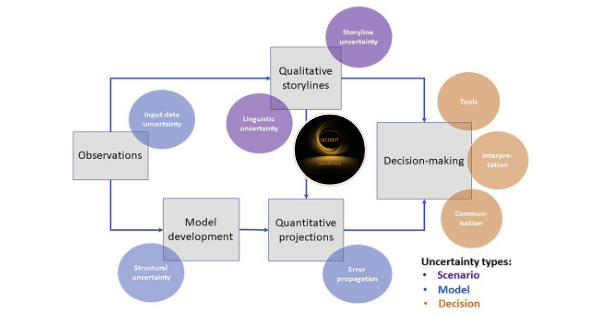
    The answer is counterintuitive but essential: intelligence is useful precisely because it does not promise certainty. Its role is not to eliminate uncertainty, but to make it manageable.

    The Illusion of Certainty in Complex Decisions

    In simple, repetitive contexts, certainty may occasionally exist.

    In complex environments—strategic, economic, geopolitical, organizational—certainty is an illusion.

    Demanding definitive answers means:

    • underestimating scenario variability,
    • ignoring incomplete information,
    • confusing probability with truth.

    Intelligence emerged as an antidote to this illusion.

    Supporting a Decision Is Not Deciding for Someone

    A common mistake is to view intelligence as a system that “tells you what to do.”

    It does not.

    Intelligence:

    • does not replace the decision-maker,
    • does not remove responsibility,
    • does not guarantee outcomes.

    What it does is structure the decision space, clarifying:

    • which options are plausible,
    • which risks are associated,
    • which consequences are foreseeable.

    The decision remains a human act, not a technical one.

    The Value of Probability Over Prediction

    Serious intelligence does not aim for certain forecasts, but for probabilistic assessments.

    This requires a shift in perspective: not asking “what will happen,” but “what is most likely to happen, and under what conditions.”

    This approach:

    • reduces surprise,
    • improves preparedness,
    • allows decisions to adapt over time.

    Uncertainty as a Structural Feature, Not a Failure

    An analysis that openly states uncertainty is not weak—it is honest.

    Conversely, the absence of declared uncertainty often signals:

    • superficiality,
    • excessive simplification,
    • pressure to “deliver answers.”

    Mature intelligence integrates uncertainty into the process rather than hiding it.

    Conclusion

    Intelligence does not exist to provide certainty, because certainty, in the contexts that matter, does not exist.

    It exists to make decisions more conscious, by clarifying limits, alternatives, and consequences.

    In this sense, intelligence is not a tool for controlling the future, but for acting responsibly in the present.

  • Strategic Analysis and Operational Analysis: Two Different Levels

    Strategic Analysis and Operational Analysis: Two Different Levels

    Introduction

    In organizational and managerial language, the terms strategic and operational are often used interchangeably.

    This overlap is not harmless: it reflects a conceptual confusion that, in intelligence, can undermine decision quality.

    Strategic analysis and operational analysis answer different questions, operate on different time horizons, and produce non-overlapping outputs. Understanding their distinction is essential to using intelligence correctly.

    Strategic Analysis: Long-Term Orientation

    Strategic analysis focuses on the medium to long term.

    Its purpose is not to guide immediate action, but to help decision-makers understand:

    • structural trends,
    • contextual dynamics,
    • emerging balances and imbalances,
    • possible trajectories.

    It operates at a level of orientation, not execution.

    It works with scenarios, probabilities, and alternative hypotheses, accepting uncertainty as intrinsic to its value.

    Operational Analysis: Supporting Action

    Operational analysis, by contrast, is oriented toward the short term and concrete action.

    It addresses questions such as:

    • what should be done now?
    • with which resources?
    • under which immediate risks?

    Here, detail is higher, constraints are tighter, and time is often critical.

    Operational analysis does not build long-term visions; it supports specific decisions in defined contexts.

    Why Confusing Them Is Dangerous

    Treating strategic analysis as operational leads to demands it cannot satisfy.

    Treating operational analysis as strategic leads to overgeneralizing short-term decisions.

    In both cases, the risk is the same: using a well-executed analysis for the wrong purpose.

    Complementarity Between the Two Levels

    Strategic and operational analysis are not alternatives, but complementary layers.

    The former provides the framework within which the latter gains meaning.

    The latter translates broader orientations into concrete action.

    A mature intelligence system keeps these levels distinct and manages the transition between them carefully.

    Conclusion

    Confusing strategy and operations means losing both vision and effectiveness.

    Intelligence works when it recognizes that not all decisions are of the same nature, and that different questions require different analyses.

    Conceptual clarity here is not theoretical—it is a practical condition for better decisions.

  • The hidden cost of indecision: when not choosing is already a choice

    Introduction

    Many decision-makers tell themselves a comforting story: I haven’t decided yet because I’m still evaluating. It sounds responsible, even wise. Yet behind this narrative lies an uncomfortable truth: every non-decision produces real effects.

    My work begins when time becomes critical and no one dares to say it openly. Intelligence does not push for impulsive action; it anchors decisions to responsibility. Because the real danger is not deciding too early, but deciding too late without realizing it.

    Indecision as a Passive Strategy

    In many organizations, indecision is rewarded. Postponement avoids visible mistakes, shifts responsibility to circumstances, and waits for events to decide. It is a passive strategy with short-term benefits.

    Over time, however, it causes silent damage:

    – loss of initiative,

    – erosion of internal trust,

    – increased exposure to external shocks.

    Intelligence has always treated time as a decisive variable. Sherman Kent warned that perfect information arriving too late is strategically useless. The same applies to decisions: quality without timing is refined inefficiency.

    Time as a Risk Factor

    In my approach, time is not neutral. It is a risk multiplier. Every day of delay alters the context, shifts balances, and changes actors’ intentions.

    Decision-makers often discover, with discomfort, that what once was a solid analysis becomes obsolete. Not because it was wrong, but because reality did not wait. This realization generates a distinct form of anger: understanding that waiting was not neutral, but actively destructive.

    This is where interest grows in a method that does not merely analyze, but integrates time into decision-making.

    How I Intervene on Indecision

    I do not force decisions. I make the cost of delay visible. When that cost is clear, decisions cease to be emotional and become rational.

    Operationally, I work along three lines:

    1. Analyzing the consequences of not deciding – what happens if nothing changes.
    2. Defining decision windows – when a choice still matters.
    3. Clarifying responsibility – who bears the cost of waiting.

    This restores control over time. Not by rushing, but by choosing the moment consciously. It is a decisive shift that gives strategic dignity back to action.

    From Fear of Error to Responsibility for Choice

    Many delays stem from a legitimate fear: making mistakes. Intelligence reveals an uncomfortable truth: not choosing often carries greater risk than an imperfect choice.

    When method replaces hesitation, an internal transformation occurs. Fear gives way to mature responsibility—the awareness that every choice has a cost, but that the cost of inaction is almost always higher.

    What emerges is a deep sense of relief. Not excitement. Relief. The relief of no longer being hostage to time, but able to inhabit it.

    Conclusion

    Indecision is not the absence of choice. It is a choice operating in the shadows. My work brings it into the open—measurable, discussable, governable.

    Those who integrate intelligence into their decision process discover that time ceases to be an enemy and becomes a strategic variable. And when time returns as a resource, decisions stop weighing down and start sustaining action.

  • Decision accountability: why power weighs only when it is real

    Introduction

    “Accountability” is often invoked as an abstract value. In reality, it is concrete, measurable, and frequently avoided. Many decision-makers seek control; few accept full accountability. The difference is decisive: control tries to prevent error, accountability accepts error as a possible cost of conscious choice.

    My work operates precisely at this transition. Intelligence does not inflate the decision-maker’s ego; it strengthens their capacity to sustain. When accountability is structured, power ceases to be an emotional burden and becomes a governable function.

    Role, Power, Accountability: A Common Confusion

    In many organizations, role is mistaken for accountability. Executives “decide” but do not always truly answer for consequences. This dissociation produces defensive choices, strategic delays, and opaque delegation.

    Intelligence theory has long distinguished formal authority from effective accountability. Sherman Kent emphasized that analysis has value only when someone is willing to use it and assume the risk. Without that assumption, even excellent intelligence remains harmless.

    A first uncomfortable realization often emerges: having decided without truly exposing oneself. It generates resistance—and openness.

    Accountability as Structure, Not Virtue

    Accountability is not a moral trait. It is a decision structure. When absent, decision-makers seek protection: redundant procedures, multiple opinions, diluted consensus. When present, they seek clarity.

    In my approach, accountability is operationalized through three elements:

    clear decision boundaries,

    explicit consequence scenarios,

    risk acceptability criteria.

    This often triggers retrospective anger: “I could have decided earlier if I had seen it this way.” It is not sterile regret. It is the discovery that accountability weighs less when anticipated and structured.

    How I Work on Decision Accountability

    I never ask decision-makers to “take more responsibility.” Instead, I create conditions where accountability becomes inevitable yet sustainable.

    Operationally, I act on three levels:

    1. Making consequences explicit – what happens in each plausible scenario.
    2. Reducing ambiguity – what is not decided is an implicit choice.
    3. Aligning decision and identity – who you are when you choose.

    When these are clear, a shift occurs: defense gives way to governance. Decisions become positions, not reactions.


    The Invisible Benefit: Authority Without Rigidity

    Well-structured accountability generates authority—not imposed, but recognized. People follow those who bear consequences, not those who hide behind process.

    Concrete outcomes follow:

    – increased internal trust,

    – reduced latent conflict,

    – faster decisions without impulsivity,

    – greater strategic stability.

    A new sensation emerges: solidity. Not excitement. Solidity—the ability to hold what one decides.

    Conclusion

    Decision accountability is not declared. It is built. My work provides that construction: making explicit what is usually implicit, measuring what is avoided, anticipating what would otherwise erupt later.

    When accountability is real, power stops weighing down. And when power no longer weighs, decisions finally become inhabitable.

  • Thinking in scenarios: deciding today without being surprised tomorrow

    Thinking in scenarios: deciding today without being surprised tomorrow

    Introduction

    The future does not betray decisions. Decisions betray the future when they imagine it as linear.

    Most decision-makers—experienced ones included—build choices on a silent assumption: things will continue more or less as they are. It is comforting, but fragile.

    My work addresses this fragility. Intelligence does not offer perfect forecasts; it builds decision resilience. Resilience emerges when a choice is designed to hold across multiple possible developments, not just one.

    The Myth of Prediction

    Intelligence is often confused with prediction. This is a conceptual mistake. Prediction guesses; intelligence prepares.

    The analytical tradition initiated by Sherman Kent clarified that intelligence does not state what will happen, but helps decision-makers understand what might happen and with what implications.

    This realization often generates frustration for past decisions built on a single future. It is productive frustration—it signals the need for a stronger method.

    Scenarios as Instruments of Clarity

    A scenario is not a story. It is a structure of possibilities designed to explore how variables may combine into different outcomes.

    In my practice, scenario thinking serves three critical functions:

    – breaking linear reasoning,

    – reducing surprise effects,

    – protecting decisions from contextual shifts.

    Decision-makers often recognize, with retrospective anger, that so-called “unpredictable” events were actually unconsidered, not unimaginable. This awareness fuels curiosity: what would have changed if I had thought in scenarios?

    Chapter 3 – How I Build Decision Scenarios

    My approach does not generate endless hypotheses. I build a limited number of relevant scenarios—those that truly stress-test the decision.

    Operationally, I follow four steps:

    1. Identifying critical variables – elements that truly alter outcomes.
    2. Controlled combination of variables – avoiding speculation.
    3. Impact assessment on the decision – what holds, what breaks.
    4. Decision adaptation – making the choice valid across contexts.

    When done well, this produces strategic calm. Not because the future is known, but because it is no longer threatening.

    Deciding Without Depending on the Future

    The real advantage of scenario thinking is autonomy. A decision designed for multiple scenarios does not rely on a single outcome to remain valid.

    This yields concrete benefits:

    – greater temporal stability,

    – fewer emergency corrections,

    – increased stakeholder credibility,

    – reduced anticipatory anxiety.

    A quiet form of joy emerges: knowing that whatever happens, preparation is already in place.

    Conclusion

    Thinking in scenarios does not mean living in uncertainty. It means inhabiting uncertainty without being dominated by it. My work transforms the future from an undefined threat into a space of governable possibilities.

    When a decision is designed for multiple possible worlds, it needs no defense. It endures—because it was built to last.

  • Weak signals: seeing what matters before it becomes obvious

    Weak signals: seeing what matters before it becomes obvious

    Introduction

    When an event is labeled “unforeseen,” it almost always was—only for those unwilling to see.

    Organizations and decision-makers fail not because they are blind, but because they are trained to look elsewhere: at consolidated numbers, familiar certainties, and confirmations of existing direction.

    My work begins before the crisis, in the uncomfortable zone where signals are ambiguous and do not yet justify visible action. Intelligence here does not deliver dramatic alerts; it builds selective attention. That attention is the difference between being surprised and being prepared.

    Why Weak Signals Are Ignored

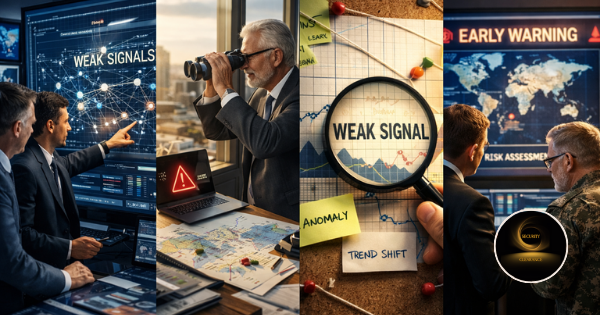
    A weak signal is not weak in itself. It is weak because it does not fit dominant mental models. It is isolated, unconfirmed, often uncomfortable. It requires time, listening, and the willingness to suspend judgment.

    Intelligence theory has long addressed this issue. Sherman Kent warned that analysis fails when attention is captured only by what is already visible and measurable. The cost is high: what is ignored grows unchecked.

    This realization triggers subtle anger—the awareness that important signs were present but dismissed as “insufficient.” Not by mistake, but by habit.

    Weak Does Not Mean Irrelevant

    In my approach, a weak signal is not treated as proof, but as an hypothesis worth protecting. It deserves cognitive space, not immediate action.

    Intelligence balances two risks:

    – reacting too early,

    – ignoring too long.

    Decision-makers often discover that what harmed them was not the final event, but the inability to grant analytical dignity to early signals. This discovery sparks curiosity: how can I notice earlier next time?

    How I Work With Weak Signals

    My practice does not multiply alerts. It builds an intelligent listening system.

    Operationally, I act on three levels:

    1. Non-conventional collection – peripheral sources, anomalous behaviors, micro-variations.
    2. Strategic contextualization – what changes if the signal grows.
    3. Evolutionary monitoring – observing without forcing conclusions.

    When internalized, this method produces a new sensation: temporal advantage. Not knowing everything earlier, but knowing what to watch earlier.

    From Surprise Effect to Preparedness

    Weak signals are not meant to alarm. They are meant to prepare. They turn uncertainty into operational anticipation.

    Concrete benefits follow:

    – fewer impulsive reactions,

    – greater strategic stability,

    – earlier intervention at lower cost,

    – stronger decision credibility.

    A discreet form of joy emerges: the satisfaction of not being caught off guard. Not control, but vigilant presence.

    Conclusion

    Weak signals do not demand immediate answers. They demand attention. My work teaches how to recognize, protect, and interpret them before they become obvious to everyone.

    When decision-makers learn to see what matters before it becomes evident, they stop chasing the present and begin to inhabit the future.

  • When Wrong Decisions Come from Correct Information

    When Wrong Decisions Come from Correct Information

    Introduction

    In common discourse, decision failures are often attributed to incorrect or incomplete information.

    This explanation is comforting, because it points to an external and seemingly fixable cause: “the data was missing” or “the information was wrong.”

    In practice, however, many failed decisions arise from a less intuitive paradox: the information was correct, yet the decision was still wrong.

    Understanding this paradox is essential to grasp the true value of intelligence.

    Correct Information Does Not Guarantee Good Decisions

    Information may be:

    • accurate,
    • verified,
    • up to date,

    and still be decisionally inadequate.

    This happens when information is:

    • not prioritized,
    • not connected,
    • not interpreted within its context.

    Without analytical work, information remains descriptive rather than directive.

    The Problem Is Not What Is Known, but How It Is Used

    Many wrong decisions do not stem from ignorance, but from misuse of available knowledge.

    Common mechanisms include:

    • overreliance on a single indicator,
    • linear interpretation of complex phenomena,
    • drawing conclusions without considering alternatives.

    In such cases, the error is not informational, but interpretive.

    Context as the Decisive Factor

    Information is always true within a context.

    Outside that context, it can become misleading.

    Wrong decisions often arise when:

    • valid data is applied to changed scenarios,
    • past indicators are automatically projected into the future,
    • weak signals are ignored because they are not “measurable.”

    Intelligence exists precisely to re-anchor information within its operational context.

    When Internal Coherence Becomes a Trap

    Another risk lies in building decision frameworks that are internally coherent but externally fragile.

    When all information “fits,” decision-makers may develop a sense of certainty that suppresses doubt.

    In such situations:

    • alternative hypotheses are not explored,
    • divergent scenarios are not tested,
    • low-probability, high-impact events are ignored.

    The decision appears solid, but is closed in on itself.

    The Role of Intelligence

    Intelligence does not exist to provide “better” information in an absolute sense.

    It exists to:

    • put available information under tension,
    • expose latent inconsistencies,
    • reveal what information does not say.

    Its main contribution is not adding data, but preventing correct data from being used incorrectly.

    Conclusion

    Wrong decisions do not always arise from wrong information.

    They often arise from correct information used without method.

    When practiced rigorously, intelligence does not protect against error.

    It protects against the illusion that knowing something automatically means deciding well.

  • Decision-Making Under Pressure: What Changes When Time Is Scarce

    Decision-Making Under Pressure: What Changes When Time Is Scarce

    Introduction

    When time is abundant, decisions can rely on in-depth analysis, extended comparison, and revision.

    When time is scarce, everything changes. Time pressure alters not only pace, but the quality of the decision-making process itself.

    Many errors attributed to lack of information or contextual complexity actually stem from a simpler and more powerful factor: time compression.

    Time Pressure as a Risk Multiplier

    Limited time does not automatically produce bad decisions, but it amplifies existing weaknesses in the decision process.

    Under pressure:

    • alternatives are narrowed,
    • information is simplified,
    • opportunities for revision shrink.

    The risk is not speed itself, but speed without structure.

    What Happens to the Intelligence Cycle When Time Is Limited

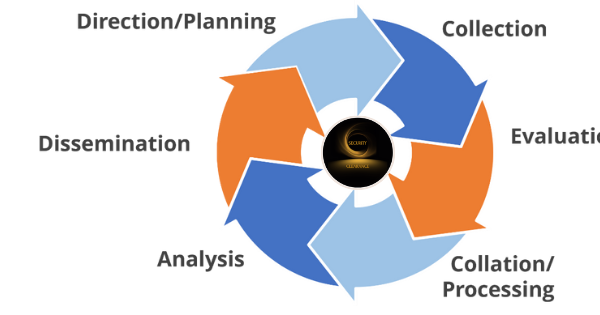
    Under ideal conditions, the intelligence cycle allows for:

    • clarification of information needs,
    • collection and analysis,
    • evaluation and dissemination.

    When time is scarce, the cycle does not disappear—it is compressed.

    Problems arise when compression turns into omission:

    • analysis is replaced by rapid inference,
    • evaluation yields to urgency,
    • dissemination becomes rushed communication.

    The result is not efficiency, but loss of quality.

    Speed Is Not the Same as Urgency

    A critical distinction must be made between:

    • fast decisions,
    • urgent decisions.

    A decision can be fast and structured.

    An urgent decision is often fast because it cannot afford structure.

    Confusing these conditions leads to justifying fragile choices in the name of time, when the real issue is lack of preparation.

    The Return of Cognitive Shortcuts

    Under time pressure, decision-makers tend to:

    • rely on past experience,
    • favor familiar solutions,
    • reduce complexity to known patterns.

    These shortcuts are not irrational, but become dangerous when:

    • contexts have changed,
    • problems are novel,
    • consequences are significant.

    In such cases, time accelerates the impact of cognitive bias.

    The Role of Intelligence Under Urgency

    Intelligence cannot eliminate time pressure, but it can:

    • preserve minimal structure,
    • maintain separation between facts and assumptions,
    • clarify what is known and what remains uncertain.

    Even under pressure, its value lies not in slowing decisions, but in preventing urgency from erasing thinking.

    Conclusion

    Deciding under pressure does not require abandoning quality, but adopting a different form of awareness.

    Lack of time is never the true problem.

    The problem is how the lack of time is managed.

    In these contexts, intelligence does not exist to delay decisions, but to prevent speed from turning into blindness.

  • Why Companies Fail Despite Having All the Data

    Why Companies Fail Despite Having All the Data

    Introduction

    Public narratives of corporate failure often attribute collapse to lack of information: misunderstood markets, ignored signals, missing data.

    This explanation is incomplete. In many cases, companies fail despite having vast amounts of data, accurate reports, and advanced monitoring systems.

    The problem is not information scarcity, but the inability to turn information into coherent decision guidance.

    Information Abundance as a False Advantage

    Complex organizations continuously produce and collect data: performance, sales, risk, compliance, market indicators.

    This abundance is often seen as an automatic competitive advantage.

    In reality, when data is:

    • not integrated,
    • not prioritized,
    • not read systemically,

    it becomes a source of organizational confusion, not clarity.

    Distributed Data, Fragmented Decisions

    A recurring issue is information fragmentation.

    Different functions observe different slices of reality:

    • finance focuses on numbers,
    • sales on trends,
    • legal on risk,
    • operations on urgency.

    Without analytical synthesis, each function makes decisions that are locally rational, while the organization as a whole loses coherence.

    Failure arises not from local error, but from the accumulation of disconnected decisions.

    The Illusion of Control Through KPIs

    Indicators and KPIs are valuable tools, but become dangerous when they replace strategic thinking.

    What can be measured is prioritized, while what is:

    • qualitative,
    • emerging,
    • not immediately quantifiable,

    is often neglected.

    The organization may appear under control while actually losing situational awareness.

    When Analysis Exists but Does Not Guide

    In many organizations, analysis exists but has little impact.

    It is produced to:

    • satisfy procedures,
    • formally inform,
    • “cover” the decision-making process.

    When analysis is not integrated into the moment of choice, it becomes documentation, not support.

    In such cases, failure is not analytical, but decisional.

    The Role of Intelligence in Organizations

    Intelligence applied to business contexts is not about producing more reports.

    It is about:

    • connecting dispersed information,
    • highlighting tensions between apparently consistent data,
    • refocusing attention on the implications of choices.

    Its value emerges when it helps organizations see themselves as systems, not as collections of departments.

    Conclusion

    Companies do not fail because they lack knowledge.

    They fail because they know many things but do not know how to use them when deciding.

    In this context, intelligence is not an analytical luxury.

    It is the means by which information abundance is transformed into strategic direction, before fragmentation becomes irreversible.

  • Deciding better is not a talent. It is a method.

    Deciding better is not a talent. It is a method.

    Introduction

    There is a precise moment every decision-maker recognizes, often silently: the moment of deciding without having enough. Not enough time, not enough clarity, not enough certainty. Information accumulates, but understanding does not. And under pressure, experience is often mistaken for method.

    This is where my work begins. Not when everything is clear, but when it is not. The intelligence I apply has nothing to do with espionage myths. It is a rigorous discipline designed to reduce uncertainty and protect decision-makers from unseen consequences. In this article, I guide the reader through the theoretical foundations of intelligence and then into the concrete practice I apply to real decision-making environments.

    What Intelligence Really Is (and What It Is Not)

    In common language, intelligence is often confused with spying, investigations, or raw information gathering. In reality, intelligence is an analytical discipline designed to support decision-making. Its purpose is not to know more, but to understand better.

    Classical intelligence theory, introduced by Sherman Kent, defines intelligence as the production of timely, relevant, and reliable knowledge for decision-makers. This implies a hard truth: most available information is useless unless it is evaluated, contextualized, and interpreted.

    Organizations often suffer from data saturation. Reports multiply, dashboards expand, meetings proliferate. Intelligence works in the opposite direction: it filters, connects, and prioritizes. It reduces noise so that the signal can emerge.

    The Critical Transition: From Information to Decision

    Intelligence has value only at the moment of choice. A brilliant analysis that does not influence a decision is sterile. For this reason, my work is never neutral—it is always action-oriented.

    Each piece of information is assessed through three decisive lenses:

    Reliability (Can it be trusted?)

    Relevance (Does it affect the decision?)

    Impact (What changes if it is considered—or ignored?)

    This process often triggers a strong emotional reaction: anger. Anger for past decisions made on intuition alone, for avoidable costs, for missed opportunities. It is a productive anger—it marks the awareness that decisions were taken without adequate structure.

    How I Work: My Applied Intelligence Practice

    What I offer is not a standardized service. It is a decision-support process. I enter complex environments with one goal: to make the decision-maker clearer, not dependent.

    My practice operates on four integrated levels:

    1. Mapping the real context – not the declared one, but the factual one.
    2. Analyzing actors and intentions – what drives behavior, not what is said.
    3. Building alternative scenarios – to escape single-track thinking.
    4. Supporting the final choice – clarifying risks, consequences, and margins.

    The outcome is not the “right” decision, but a defensible, coherent, conscious one. This is where curiosity arises: the discovery that there is a stronger, safer, more productive way to think.

    The Invisible (Yet Decisive) Benefits

    Applying an intelligence-based method produces effects beyond individual decisions. Time quality improves, anticipatory anxiety decreases, reactive choices diminish. Productivity increases not because more is done, but because fewer mistakes are made.

    There is also a deeper benefit: decision security. Knowing that everything reasonably knowable has been considered radically changes how consequences are faced—even difficult ones.

    Here emerges a final emotion: a quiet, mature sense of relief. Not excitement, but steadiness. The relief of no longer facing complexity alone.

    Conclusion

    My work does not promise certainty. It offers something rarer: the reduction of relevant ignorance. In a world obsessed with speed, intelligence restores depth. Where everyone speaks, it teaches how to listen to weak signals. Where urgency dominates, it introduces method.

    Those who reach the end of this article do not need persuasion. They need only recognize an uncomfortable truth: the best decisions are not born of courage, but of clarity. And clarity, when it truly matters, is never accidental.